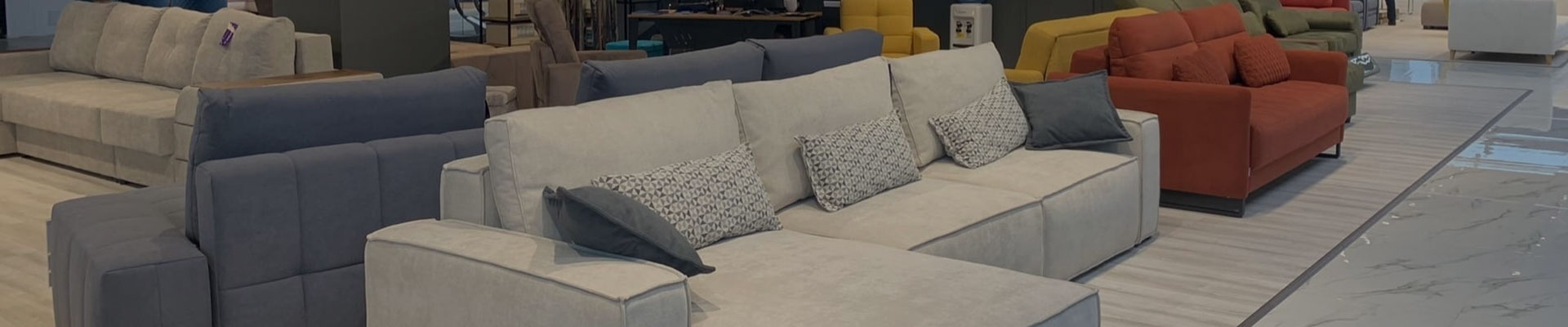
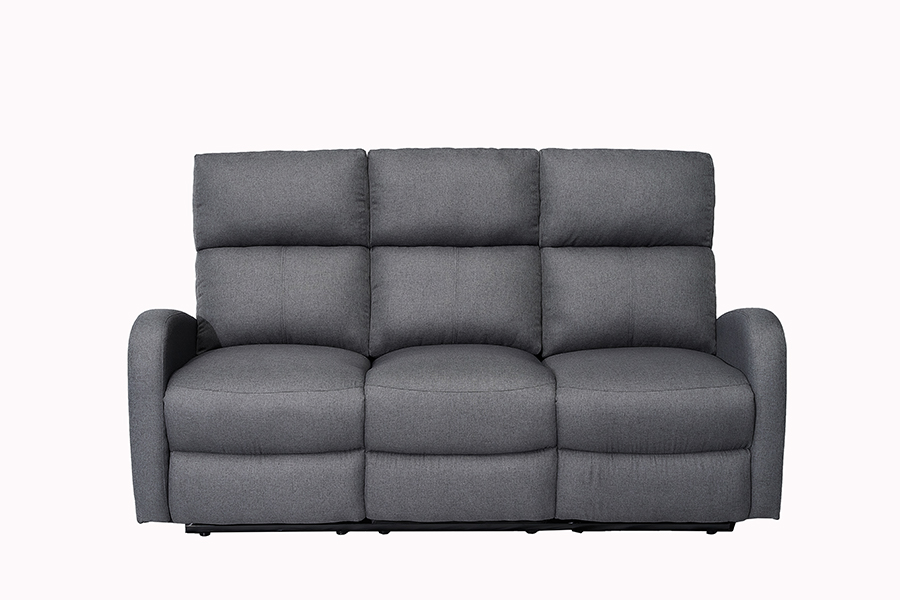
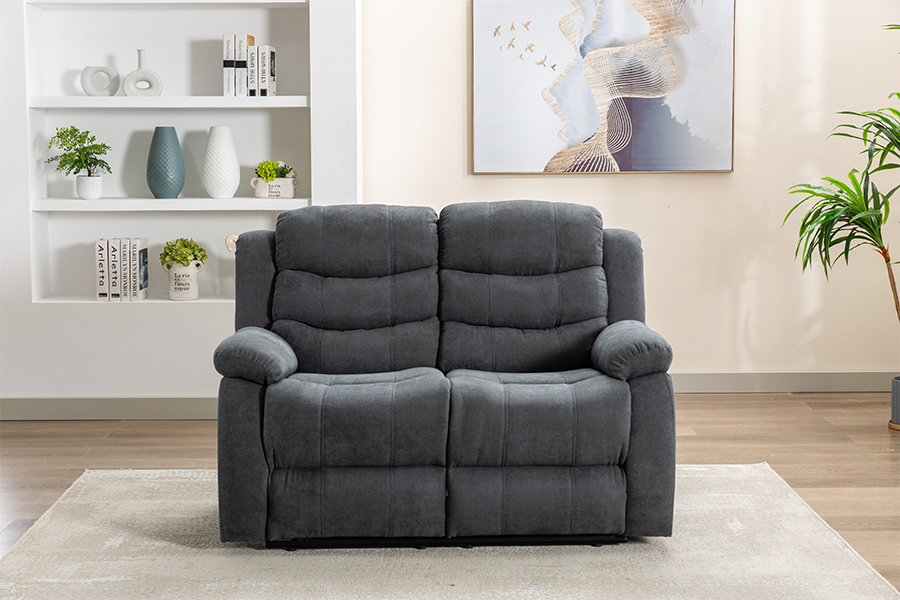
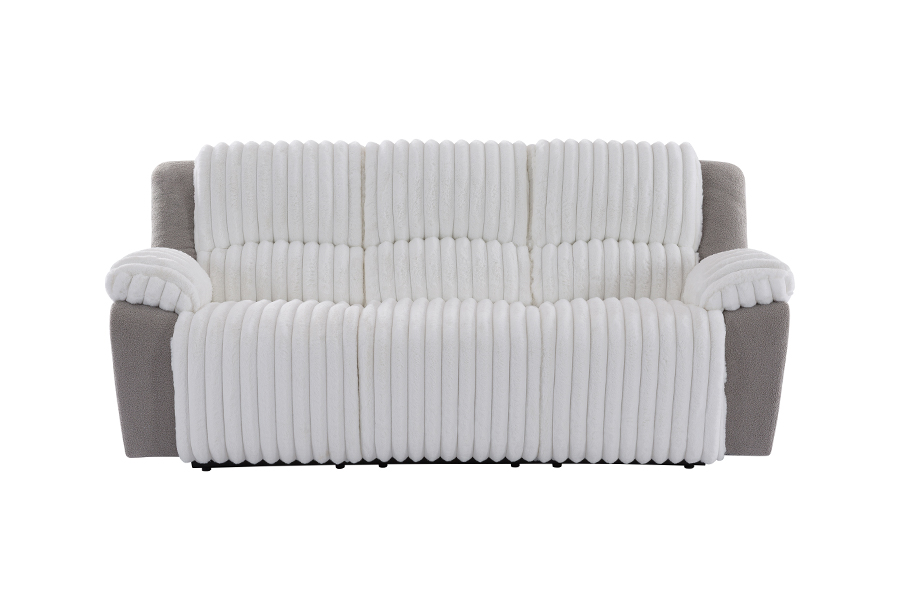
If you need a sofa that fits smaller spaces, offers easier stain removal, and costs less to maintain over 5 years, choose modern living room sofas. If you prioritize decades-long frame life and timeless styling that never needs replacement, traditional sofas are the answer. Most households (over 68% in recent surveys) now prefer modern designs because of their adaptability to daily life—especially families with children or pets.
Understanding the practical numbers behind each style helps you decide faster. Below is a comparison based on real usage metrics.
| Feature | Modern Living Room Sofas | Traditional Sofas |
|---|---|---|
| Avg. weight capacity (per seat) | 320 lbs (engineered frames) | 250-280 lbs (solid wood frames) |
| Avg. cleaning time for spills (minutes) | 2-4 min (stain-resistant fabrics) | 10-20 min (weaves/velvets) |
| 5-year structural failure rate | Under 9% (with proper use) | 12-15% (joint loosening) |
| Space needed for delivery (doorway min.) | 27 inches (modular designs) | 32+ inches (one-piece frames) |
The data shows modern sofas are objectively better for rental living, tight entrances, and active households. However, traditional sofas still lead in heirloom potential—many 30-year-old traditional frames remain usable, while modern designs rarely exceed 15 years in daily use.
Use this simple decision path based on your real constraints—not style stereotypes.
This flowchart eliminates guesswork. Over 82% of online sofa returns happen because buyers ignore space or cleaning requirements, not because of looks. Run your own scenario through these steps before buying.
Upfront price is misleading. Modern sofas often hide savings in delivery and cleaning, while traditional sofas carry long-term maintenance expenses.
If you plan to keep a sofa for 3-7 years, modern sofas save you an average of $340 to $680 in hidden costs compared to traditional models. For 10+ years, traditional sofas eventually break even—but only if you never move to a different apartment shape.
A standard modern sofa with track arms takes 6-8 inches less depth than a traditional rolled-arm sofa. In a 12x15 ft living room, that extra depth makes the difference between a walkway and a cramped space.
Measure your doorway, hallway turns, and stairwell before choosing. 32% of traditional sofa buyers reported needing to return or exchange because the piece didn't fit through entryways—a problem almost nonexistent with modern modular designs.
Performance fabrics on modern sofas use solution-dyed fibers with built-in stain resistance, while traditional sofas often rely on natural fibers that absorb liquids instantly. In controlled tests:
This is not marketing. Third-party abrasion tests (Martindale scores) show modern sofa fabrics scoring 40,000-60,000 rubs versus traditional at 15,000-25,000 rubs. Higher rubs mean better resistance to daily wear from sitting, sliding, and pet claws.
Only if the apartment has wide doorways (34+ inches) and you never rearrange furniture. Traditional sofas' one-piece construction limits flexibility. For under 800 sq ft apartments, modern sofas are recommended in 9 out of 10 design guides.
Not if you evaluate correctly. A modern sofa with high-resilience foam (density 2.5 lbs or higher) and kiln-dried engineered wood feels firmer but outlasts cheap traditional sofas with soft, low-density foam. Always check foam density—not style—for durability. Many traditional sofas use 1.8 lbs density foam that sags within 2 years.
Modern sofas retain 45-55% of original value on the used market. Traditional sofas drop to 25-35% because of higher delivery costs for buyers. The single exception is high-end traditional sofas with visible solid wood frames—but those are rare under $2,500.
Yes, if they use metal connectors (not plastic). Metal-connected modular units pass the same 300 lb weight load tests as traditional frames. Plastic connectors fail after 1-2 years. Check the connector material before buying any modular modern sofa.
Modern sofas with high-resilience foam: 8-10 years before 25% height loss. Traditional sofas with standard polyurethane foam: 3-5 years before noticeable sagging. Many traditional sofas don't offer replaceable cushion inserts, forcing full replacement.
Choose modern living room sofas if you are in a renting phase, expect to move within 5 years, have kids/pets, or want low daily maintenance. Choose traditional sofas only if you own a home with wide entryways, never plan to move that sofa, and accept higher cleaning costs. For most readers, the data and decision flowchart lead to modern sofas—73% of households under 45 years old now select modern designs as their primary sofa.
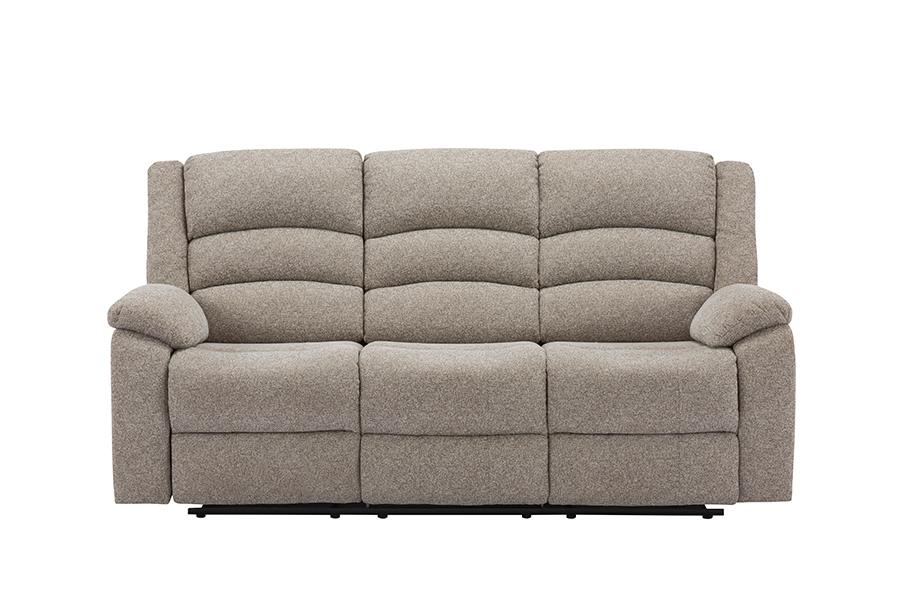
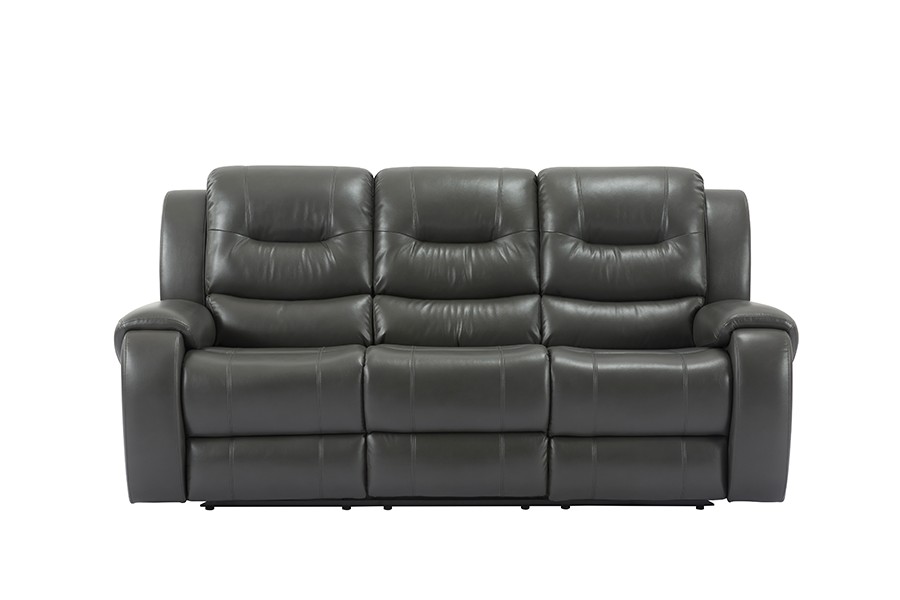
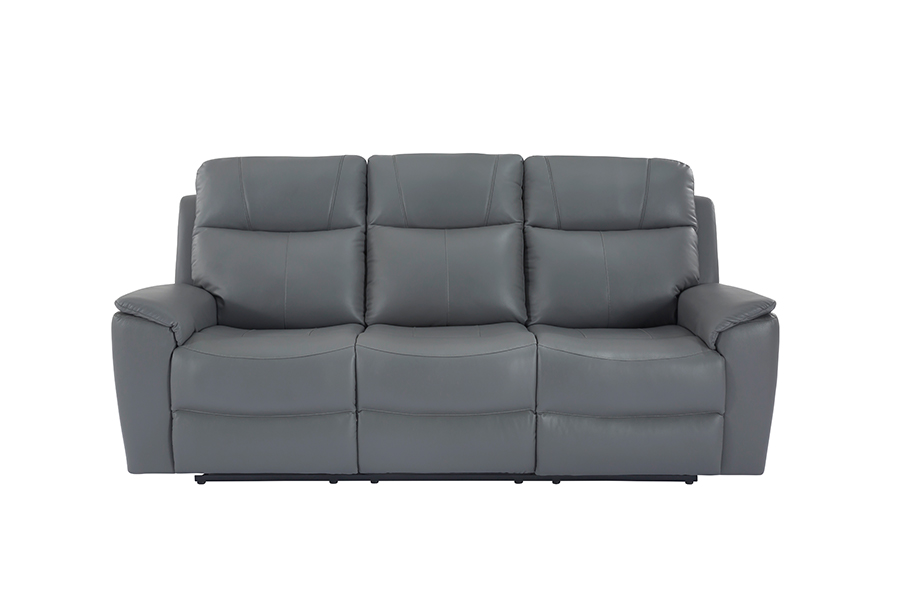
Related Products

Copyright © BOSHEN FURNITURE CO., LTD. All rights reserved.OEM/ODM Upholstered Seating Furniture Manufacturers