 English
 Español
Sofa Buying Guide: Features That Really Matter
Posted by Admin | 17 Jul
Understanding Sofa Buying Fundamentals
Selecting the right sofa is one of the most significant decisions when furnishing your living space. Unlike many other furniture pieces that serve a purely decorative purpose, your sofa plays a central role in daily comfort, durability, and aesthetic appeal. Most people spend several hours per week on their sofa, whether watching television, reading, entertaining guests, or simply relaxing after a long day.
The challenge lies in the overwhelming number of options available in today's market. Different materials, sizes, styles, and construction methods can make the decision-making process confusing for even the most discerning buyers. Understanding the key features that genuinely impact your satisfaction and longevity with your purchase allows you to make an informed decision that aligns with your lifestyle and budget.
Comfort: The Foundation of Sofa Selection
Comfort remains the primary reason people select a particular sofa, yet it is often the most subjective criterion to evaluate. What feels comfortable to one person may feel too soft or too firm for another. However, several measurable factors contribute to overall comfort levels.
Seat Depth and Height
Seat depth determines how far back you can recline while still keeping your feet on the ground. Standard seat depths range from 30 to 40 inches, with deeper seats offering more lounging space and shallower seats providing better support for upright sitting. Your height and leg length significantly influence which depth works best for you. Taller individuals typically prefer deeper seats, while shorter people may find standard or shallow seats more appropriate.
Seat height, measured from the floor to the top of the cushion, typically falls between 16 and 18 inches. This measurement affects how easily you can stand up and how your legs position when seated. A higher seat facilitates standing, while a lower seat provides a more contemporary, sunken appearance.
Cushion Firmness and Fill Materials
The internal structure and fill materials directly impact both comfort and durability. High-density foam typically lasts longer than low-density alternatives, maintaining its shape and support for many years. Many premium options combine multiple foam types or add down-filled layers for enhanced comfort without sacrificing longevity.
Cushion firmness exists on a spectrum from plush and soft to firm and supportive. Plush cushions offer immediate comfort but may develop body impressions more quickly. Firmer cushions provide better support for longer periods and resist indentation more effectively. The ideal choice depends on how you use your sofa and your personal preference.
Back Support and Armrest Design
Proper back support prevents slouching and reduces strain during extended sitting sessions. Track arms provide a modern aesthetic while offering defined armrest height. Rolled arms deliver a more traditional appearance and often provide additional comfort. Armless designs maximize seating space but offer no arm support.
The relationship between seat depth, cushion height, and back angle creates the overall ergonomic profile. A well-designed sofa supports your spine's natural curve without requiring constant adjustment.
Material Selection: Balancing Aesthetics and Performance
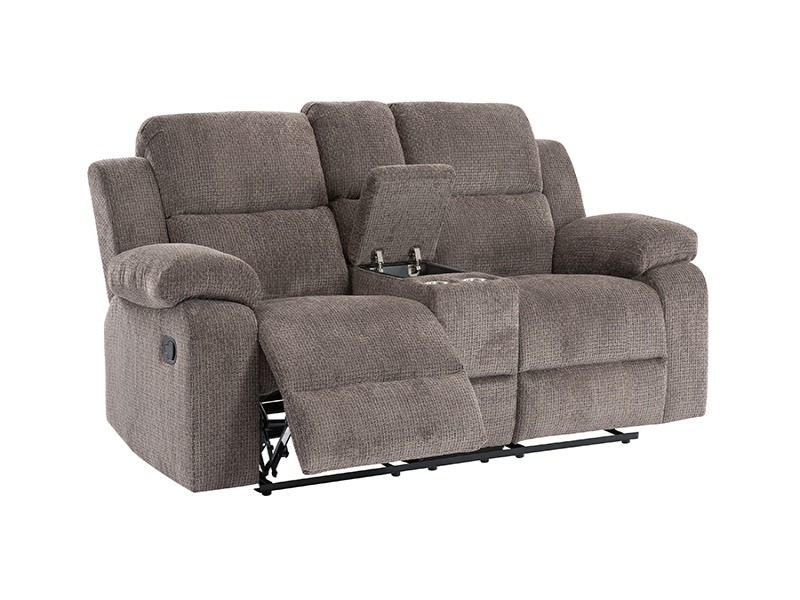
The covering material dramatically affects both appearance and durability. Each material category offers distinct advantages and considerations.
| Material Type | Durability | Maintenance | Cost Level |
|---|---|---|---|
| Leather | Very High | Moderate | Premium |
| Microfiber | High | Low | Mid-Range |
| Natural Fabric | Medium-High | Moderate-High | Mid-Premium |
| Synthetic Blend | Medium | Low-Moderate | Budget-Friendly |
Leather Options
Leather sofa selections offer luxurious aesthetics and exceptional durability when properly maintained. Full-grain leather develops character and patina over time, becoming more supple with age. Top-grain leather provides good durability with consistent appearance. Split leather and bonded leather present budget-friendly alternatives with reduced longevity.
Leather requires periodic conditioning to prevent cracking and maintain its suppleness. It resists staining better than fabric but can show scratches more visibly. Temperature and humidity changes affect leather expansion and contraction.
Fabric Varieties
Natural fabrics like linen and cotton offer breathability and aesthetic appeal but require careful maintenance and may be susceptible to staining. Wool provides durability and natural stain resistance. Microfiber fabrics excel in stain resistance and ease of cleaning, making them popular in households with children or pets.
Fabric sofa options often include performance fabrics specifically engineered to resist staining and fading. Velvet adds luxury and visual interest but requires careful handling and professional cleaning for stubborn stains.
Material Performance Metrics
Rub count, measured by the Martindale test, indicates how many times a material can be rubbed before visible wear appears. A count above 15,000 suggests good durability for general household use. Higher counts indicate materials suitable for high-traffic environments or households with pets and children.
Pilling resistance becomes important for woven fabrics. Pilling occurs when fibers break and form small balls on the surface. Tighter weaves and higher twist counts reduce pilling probability.
Sizing and Space Considerations
Proper sizing ensures your sofa fits both your space and your functional needs. Common dimensional mistakes lead to either crowded spaces or sofa purchases that don't maximize your living area.
Measuring Your Space Correctly
Begin by measuring your room and doorways, including any hallways the sofa must pass through during delivery. Account for necessary clearances: at least 18 inches from the sofa to a coffee table, and sufficient space to walk around comfortably. Visualize the sofa in your space by marking its outline with tape before purchase.
Ceiling height affects how large a sofa will appear visually. Higher ceilings accommodate larger, more substantial pieces without overwhelming the space. Lower ceilings benefit from lower-profile designs.
Sofa Length and Configurations
Standard sofas range from 72 to 96 inches in length. Two-seater designs typically measure 60 to 72 inches, while three-seaters span 84 to 96 inches. Sectional sofa and corner sofa options provide flexibility for various room layouts.
L-shaped configurations offer versatility for different seating arrangements. The placement of the chaise lounge or extended section significantly impacts functionality. Right-facing and left-facing variations exist for the same design, so confirm orientation before ordering.
Visual Sizing Guide
Frame Construction and Internal Quality
What you cannot see often matters more than surface appearance. The internal frame and support system determine your sofa's longevity and how well it resists sagging and structural failure.
Frame Materials
Solid hardwood frames, such as kiln-dried oak or maple, offer superior strength and durability compared to softwood or plywood alternatives. Hardwood resists warping and maintains structural integrity over decades. Softwood frames are more economical but susceptible to warping, especially in fluctuating humidity conditions.
Engineered wood and plywood frames reduce costs but compromise longevity. Look for frames with corner blocks and reinforced joints, which prevent wobbling and structural failure at stress points.
Support Systems
Eight-way hand-tied springs represent the gold standard in suspension systems, offering superior support and comfort. Each spring is individually tied to adjacent springs, distributing weight evenly and preventing sagging. This labor-intensive construction method results in higher costs but exceptional performance.
Sinuous (eight-wire) springs provide good support at lower cost, though they may develop issues more quickly than hand-tied systems. No-sag support systems using composite materials or hybrid approaches offer mid-range solutions.
Cushion Cores and Layering
High-density foam (1.8 to 2.2 pounds per cubic foot) resists indentation far better than lower densities. Premium constructions often use multiple foam layers: a firm base for support, medium-density middle layers for comfort, and soft top layers for surface feel. This layering approach extends the sofa's useful life significantly.
Down-filled cushions feel luxurious but require regular fluffing and may contain some synthetic fibers mixed with genuine down. Hybrid down-and-foam combinations offer compromise between comfort and durability.
Style Categories and Design Directions
Your sofa functions as a major design anchor in your living room, influencing your overall aesthetic. Understanding different style categories helps align your selection with your interior design vision.
Modern and Contemporary Styles
Modern sofa designs emphasize clean lines, geometric forms, and minimal ornamentation. Low-profile legs create a floating effect, while track arms provide streamlined aesthetics. These designs work well in minimalist or Scandinavian interiors.
Contemporary pieces blend modern principles with more comfort-focused proportions, often featuring deeper seats and softer curves than strictly modern designs. This category has become increasingly popular for residential spaces prioritizing both style and comfort.
Traditional and Classical Influences
Traditional sofas feature rolled or camelback designs with more generous proportions and decorative details. Nail head trim, rolled arms, and button tufting add classic character. These pieces suit traditional, transitional, or eclectic interiors.
Transitional designs bridge traditional and contemporary aesthetics, offering classic proportions with cleaner lines and updated details. This hybrid approach appeals to homeowners seeking timelessness without strict adherence to either design movement.
Specialty Configurations
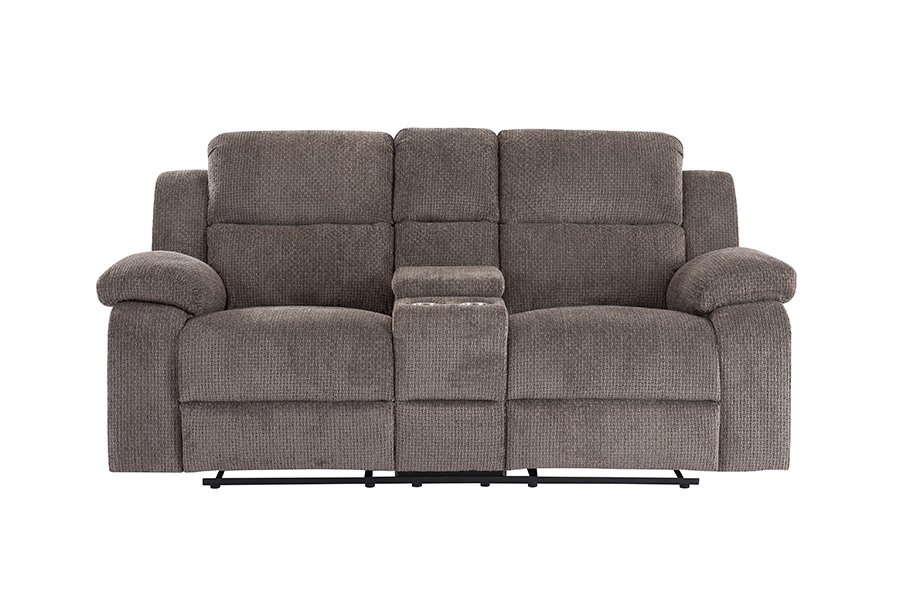
Sectional sofas maximize seating in large spaces and can be arranged in various configurations. Chaise lounges attached to sectionals provide leg support and lounging comfort. Sleeper sofas incorporate mattress systems for occasional or primary sleeping purposes.
Recliners integrated into sofa designs offer individual comfort adjustment, though they require additional space for extending mechanisms. Modular systems allow you to reconfigure sections to match changing spatial needs.
Color and Pattern Considerations
Neutral colors like gray, beige, and navy offer versatility, allowing easy decor updates and coordination with various accessories. Bold colors make stronger design statements but may feel dated more quickly.
Patterns add visual interest but require careful consideration regarding traffic patterns and future styling flexibility. Subtle patterns or smaller-scale prints generally age better than large, bold patterns.
Budget Planning and Value Assessment
Sofa pricing spans an enormous range, from under one thousand to over ten thousand dollars. Understanding what differentiates price points helps you identify true value rather than simply the cheapest option.
Price Category Overview
- Budget Range (under 1,000): Basic construction, standard materials, limited customization
- Mid-Range (1,000 to 3,000): Improved frame quality, better cushioning, more fabric options
- Premium Range (3,000 to 7,000): Superior construction, high-quality materials, extended warranties
- Luxury Range (over 7,000): Exceptional craftsmanship, premium materials, bespoke customization
Cost-to-Longevity Analysis
A higher initial investment in a well-constructed sofa often proves more economical over time. A mid-range sofa lasting 10 years may have a lower annual cost than a budget sofa requiring replacement after 5 years. Calculate the cost-per-year to assess true value.
Consider your household circumstances when evaluating budget. A household with young children and pets benefits from stain-resistant materials and robust construction, justifying higher initial costs. Single-person households using a sofa primarily for occasional entertaining might prioritize aesthetics over durability.
Warranty and Protection Plans
Comprehensive warranties covering frame defects, spring failures, and cushion degradation provide valuable protection. Typical warranties range from one to ten years, with premium pieces often offering longer coverage. Protection plans covering accidental stains and damage offer additional security, though they increase overall cost.
Read warranty terms carefully, understanding what is and is not covered. Some warranties require professional cleaning or specific maintenance protocols to remain valid.
Practical Shopping Strategies
Testing Before Purchase
Spend adequate time sitting on potential purchases. Recline slightly, adjust positions, and note how the sofa supports different postures. Sit for several minutes rather than just a few seconds. Bring measurements of your doorways and space to verify fit before committing.
Test how easily you can stand from the sofa. Insufficient back support or overly soft cushions can make standing difficult, particularly important if you or household members have mobility concerns.
Delivery and Installation Considerations
Understand delivery timelines before purchase. Made-to-order sofas may have 8 to 16 week lead times, while stock items typically ship within one to three weeks. Plan your purchase accordingly, especially for time-sensitive needs.
Confirm delivery methods and whether assembly is included. Some sofas arrive fully assembled, while others require professional setup. Delivery fees, removal of old furniture, and placement in your home are services that may incur additional costs.
Return and Exchange Policies
Purchase from retailers offering reasonable return windows, typically at least 30 days. Some premium retailers offer 60 to 90-day trials, allowing you to evaluate comfort in your own home environment before making the commitment permanent.
Understand return shipping costs and who bears the expense. Some policies include return shipping for defective items but charge customers for returning items due to personal preference.
Long-Term Care and Maintenance
Proper maintenance extends your sofa's lifespan and preserves appearance. Different materials require different care approaches.
Regular Maintenance Tasks
- Rotate and flip cushions weekly to distribute wear evenly
- Vacuum upholstery weekly to remove dust and debris
- Address spills immediately by blotting with clean, dry cloth
- Use appropriate cleaning products for your specific material type
- Professional cleaning annually or as needed for stubborn stains
Specific Material Care
Leather requires occasional conditioning to maintain suppleness and prevent cracking. Use products specifically formulated for leather, applying every 6 to 12 months depending on usage. Protect leather from direct sunlight to prevent fading and hardening.
Fabric upholstery benefits from regular vacuuming with an upholstery attachment. Spot cleaning with appropriate solutions addresses minor stains before they set. Annual professional cleaning refreshes appearance and extends fiber life.
Microfiber's tight construction resists staining naturally but can be damaged by excessive moisture. Clean with minimal water, using dry-cleaning methods when possible.
Storage and Environmental Factors
Maintain moderate humidity levels (30 to 50 percent) to prevent wood frame warping and leather cracking. Extreme temperature fluctuations also stress materials. Position your sofa away from direct sunlight, heating vents, and air conditioning units to minimize material degradation.
Use protective pads under legs to prevent floor damage and allow easy movement for cleaning underneath. Invest in throws or furniture covers if you have pets to protect upholstery from damage.
Frequently Asked Questions
Q1: How do I determine the ideal seat depth for my body type?
Sit on several sofas with different seat depths, paying attention to how your feet position on the floor. You should be able to sit with your back fully against the backrest while maintaining approximately 3 to 4 inches of space between the back of your knees and the edge of the seat. Taller individuals typically need 36 to 40 inch depths, while shorter people find 30 to 34 inches more comfortable. Take time in your home to arrange temporary seating at different depths to confirm preferences.
Q2: What is the difference between high-density and low-density foam, and which should I choose?
Density indicates foam weight per cubic foot. High-density foam (1.8 to 2.5 pounds per cubic foot) resists compression and maintains shape significantly longer than low-density foam (1.0 to 1.5 pounds per cubic foot). While high-density foam costs more initially, it lasts considerably longer and resists body indentations. For long-term value, high-density foam justifies higher costs, particularly for frequently used sofas.
Q3: Is leather or fabric a better choice for households with pets?
Both materials work for pet-owning households with different advantages. Leather resists scratches and claws better than most fabrics, though scratches still occur. Leather cleans easily with a damp cloth. Microfiber fabrics resist staining exceptionally well and hide dirt effectively. Traditional woven fabrics, however, can snag or tear from claws. Consider your specific pets and their behavior when deciding, and always use protective covers and plan for regular cleaning.
Q4: How do I prevent my sofa cushions from sagging prematurely?
Regular rotation and fluffing of cushions significantly reduces sagging. Flip cushions weekly and rotate their positions to distribute wear evenly. Avoid sitting in the exact same spot repeatedly. Use cushion protectors or a throw to spread pressure across wider areas. Quality cushion cores with proper support systems prevent sagging more effectively than maintenance alone, so prioritize construction quality when selecting your sofa.
Q5: What size sofa fits best in a small living room without overwhelming the space?
In small spaces, choose sofas between 60 and 75 inches in length. Select low-profile designs with exposed legs rather than skirted bases to create visual lightness. Avoid overly deep seats (stick to 30 to 32 inches) that consume floor space. Consider sectionals or loveseats rather than three-seater sofas to maximize functionality while maintaining spatial balance. Light colors and minimal ornamentation further prevent visual heaviness.
Q6: Should I buy a sofa online or in a showroom?
Ideally, test sofas physically before purchasing to evaluate comfort, size, and color accuracy under proper lighting. Showroom visits allow you to lie down, recline, and sit in various positions. However, online retailers often offer better prices and customization options. Compromise by visiting showrooms for testing, then ordering online if that retailer's customization and pricing justify the purchase. Many online retailers offer extended return periods, allowing you to confirm your choice at home.
Q7: What is the typical lifespan of a well-maintained sofa?
Quality construction and regular maintenance can extend a sofa's useful life to 15 to 20 years or beyond. Budget-quality sofas typically last 3 to 5 years before significant sagging and wear become problematic. Mid-range sofas usually remain comfortable and attractive for 7 to 10 years. Premium pieces with exceptional construction often exceed 15 years with proper care. Ultimately, lifespan depends on frame quality, material selection, maintenance, and household usage intensity.
Q8: Are sectional sofas more versatile than traditional sofas?
Sectionals offer exceptional flexibility for various room shapes and layouts. Reconfigurable modular sections accommodate different spaces as needs change. However, they require more floor space than traditional sofas and may not suit smaller living rooms. Traditional sofas offer better flexibility if you anticipate moving frequently or rearranging regularly. Choose based on your specific space constraints and likelihood of layout changes.
Q9: How do I choose between a sleeper sofa and a traditional sofa plus separate bed?
Sleeper sofas maximize space in small apartments or studios, combining seating and sleeping functions. However, the mattress quality typically lags behind dedicated beds, and the mechanism requires space for extension. If guests visit regularly and comfort matters, a dedicated guest bed provides better sleep quality. Sleeper sofas work well for occasional guests or emergency sleeping arrangements when space is limited.
Q10: What warranty coverage is most important when purchasing a sofa?
Prioritize frame coverage, as frame failures are expensive and difficult to repair. Spring and suspension system warranties protect against sagging and structural issues. Cushion coverage becomes important with higher-quality sofas where component replacement costs justify the protection. Stain protection plans appeal to households with children or pets. Review warranty length and what the manufacturer specifically covers before prioritizing features that drive up purchase price.
Related Products

 Floor 2 No.533 Shuangqiao Road, Dipu Street, Anji County, Huzhou City, Zhejiang Province, China.
 Josie@boshenfurniture.com
 0086-15105823033
Copyright © BOSHEN FURNITURE CO., LTD. All rights reserved.OEM/ODM Upholstered Seating Furniture Manufacturers
