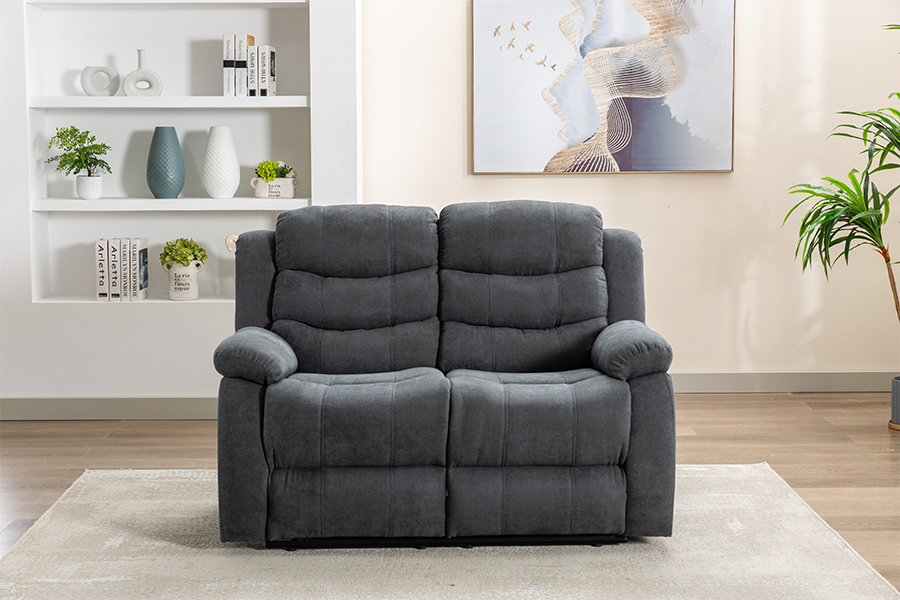
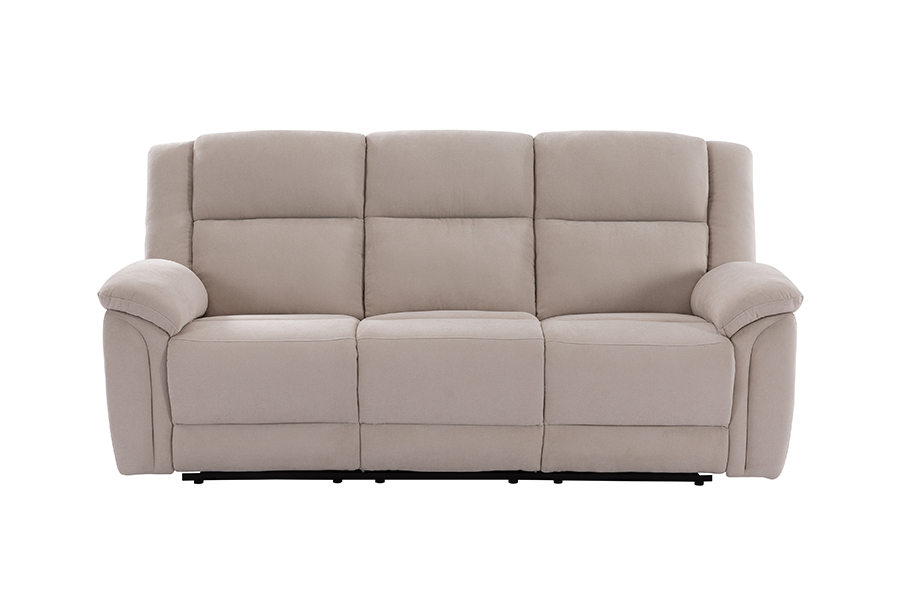
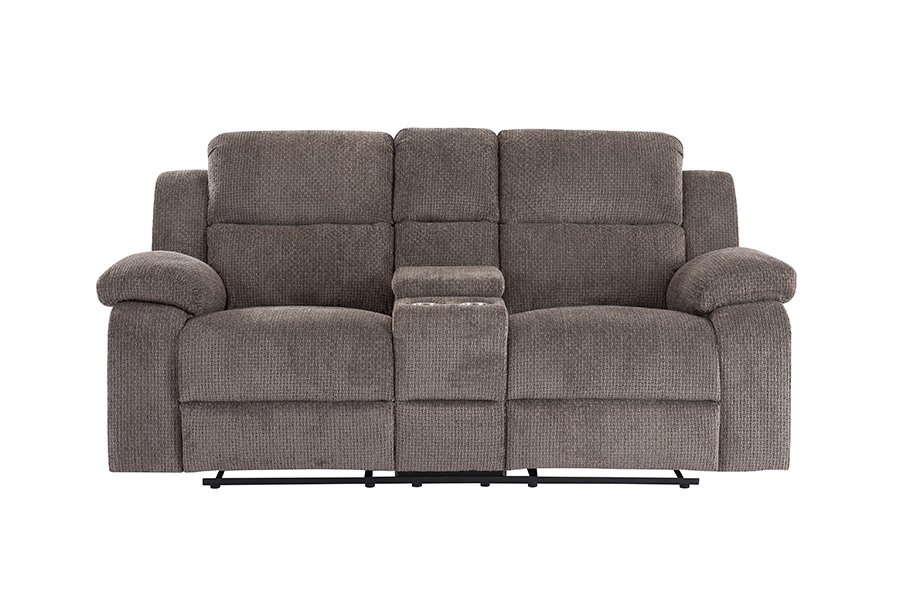
The living room is the heart of any home, serving as a place of relaxation, social gatherings, and entertainment. As one of the most essential pieces of furniture, the modern living room sofa plays a pivotal role in enhancing both the aesthetic and comfort of this central space. Over the years, the designs, materials, and functionalities of modern sofas have undergone significant transformations to keep pace with changing interior design trends, consumer preferences, and technological innovations.
In the ever-evolving world of interior design, the demand for modern living room sofas reflects broader shifts in lifestyle, design sensibilities, and consumer behavior. Key trends driving the modern sofa market include:
Minimalism continues to dominate modern living room furniture, including sofas. Sleek, clean lines, neutral color schemes, and low-profile silhouettes are common features of contemporary sofas. These designs are built to blend seamlessly with a variety of interior styles while emphasizing simplicity and functionality.
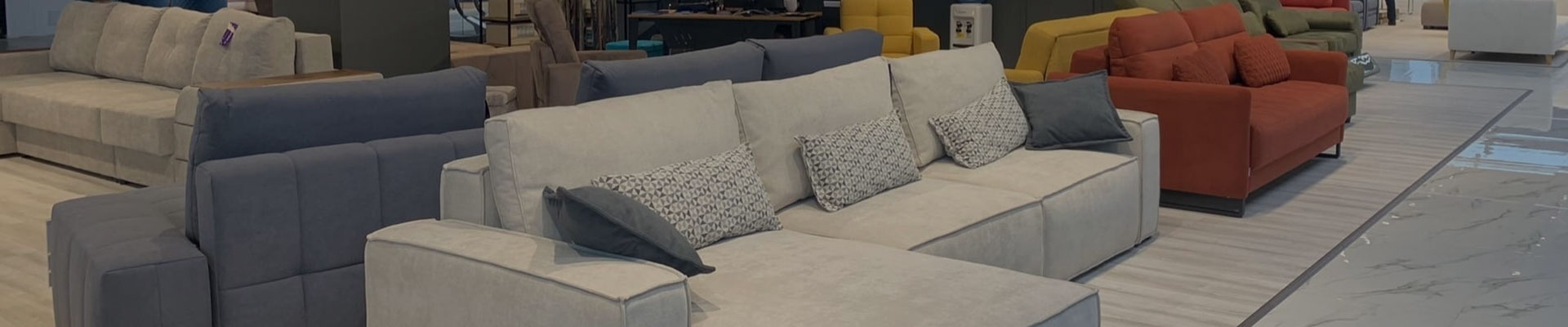
Modular sofas, also known as sectional sofas, are gaining popularity due to their adaptability and versatility. These sofas can be customized to fit various room layouts and offer consumers the flexibility to reconfigure their sofas according to their needs. Whether it’s for a family room or a compact apartment, modular sofas offer unparalleled comfort and adaptability.
As sustainability becomes an increasing concern, many manufacturers are turning to eco-friendly materials for sofa construction. Recycled fabrics, biodegradable foams, and sustainably sourced wood are being used in the creation of modern living room sofas. This trend caters to environmentally conscious consumers who value both comfort and ethical production processes.
With the rise of smart home technology, smart sofas are beginning to make their mark. These innovative pieces of furniture come with integrated features such as USB charging ports, built-in speakers, and even heating and massage functions. Smart sofas offer both luxury and practicality, making them a popular choice for tech-savvy homeowners.
While neutral tones remain popular, bold and vibrant colors are gaining traction in modern sofa designs. Rich tones like navy, emerald green, and mustard yellow add a touch of luxury and personality to the living room. In addition, diverse fabric choices, such as velvet, linen, and leather, allow consumers to personalize their living spaces according to their style preferences.
The design of a modern living room sofa is not solely about looks; comfort and functionality are paramount. Below are key features that define contemporary sofas:
| Feature | Description |
|---|---|
| Modular Flexibility | Allows for customizable layouts with detachable sections, catering to different room sizes and preferences. |
| Comfort and Ergonomics | Cushions and seat depths are designed for optimal comfort, with some models featuring adjustable headrests and reclining mechanisms. |
| Sustainable Materials | Use of eco-friendly fabrics such as organic cotton, recycled polyester, and non-toxic foams that support environmentally conscious living. |
| Built-In Technology | Includes features like USB ports, wireless charging, and even motion sensors for automatic adjustments in seating positions. |
| Durability and Maintenance | Focus on high-performance fabrics that resist stains, fading, and wear, especially in households with pets or children. |
These features not only enhance the aesthetics of the living room but also ensure that modern sofas cater to the practical needs of contemporary homeowners. Whether it’s the option to change the configuration of a modular sofa or the integration of technology into the furniture, modern living room sofas offer more than just a place to sit.
The material composition of modern living room sofas has evolved considerably, with a focus on durability, comfort, and aesthetics. Here’s an overview of some of the most popular materials:
Fabric Upholstery
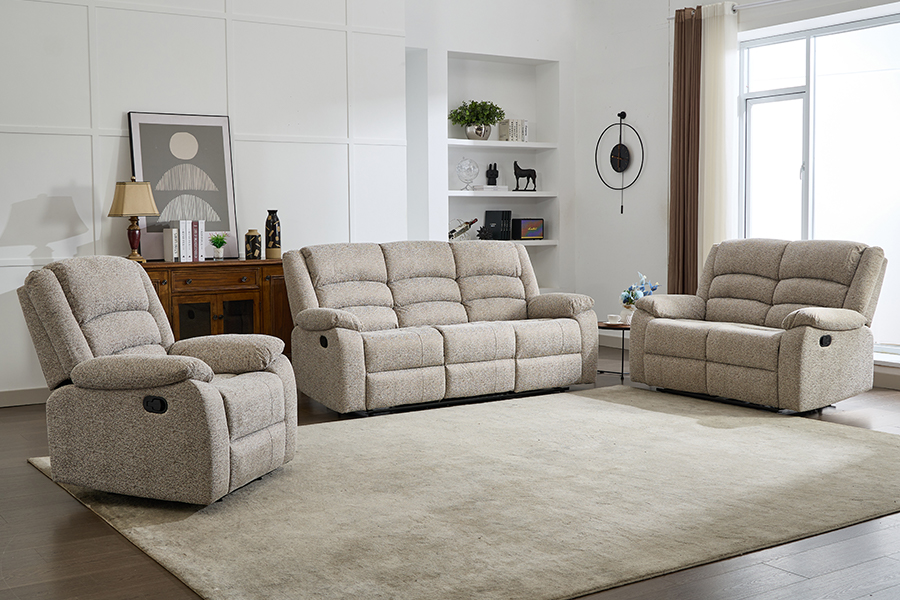
Fabric sofas are popular due to their softness and variety. Polyester, linen, velvet, and cotton are some of the most common fabric choices. They offer versatility in terms of color and texture and are generally easier to maintain than leather.
Leather Upholstery
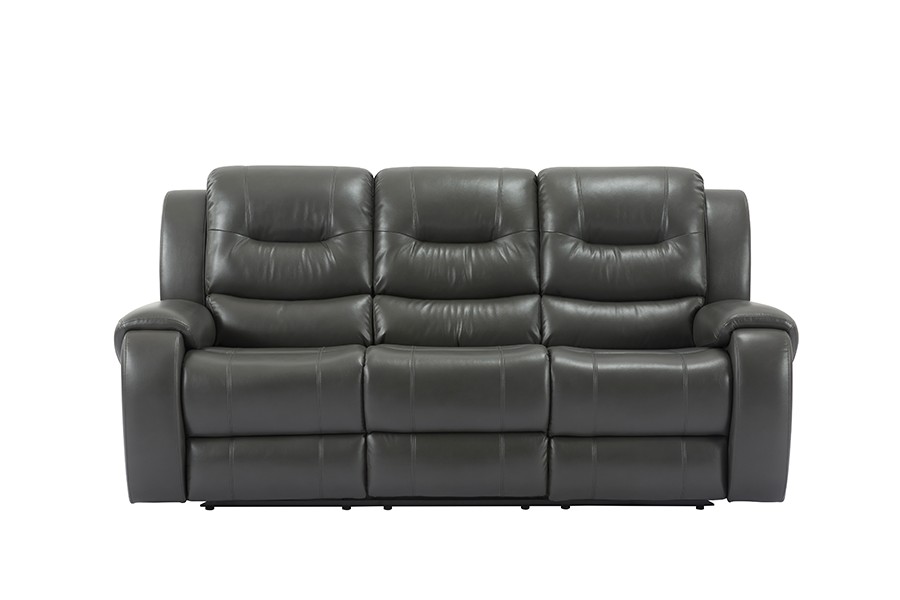
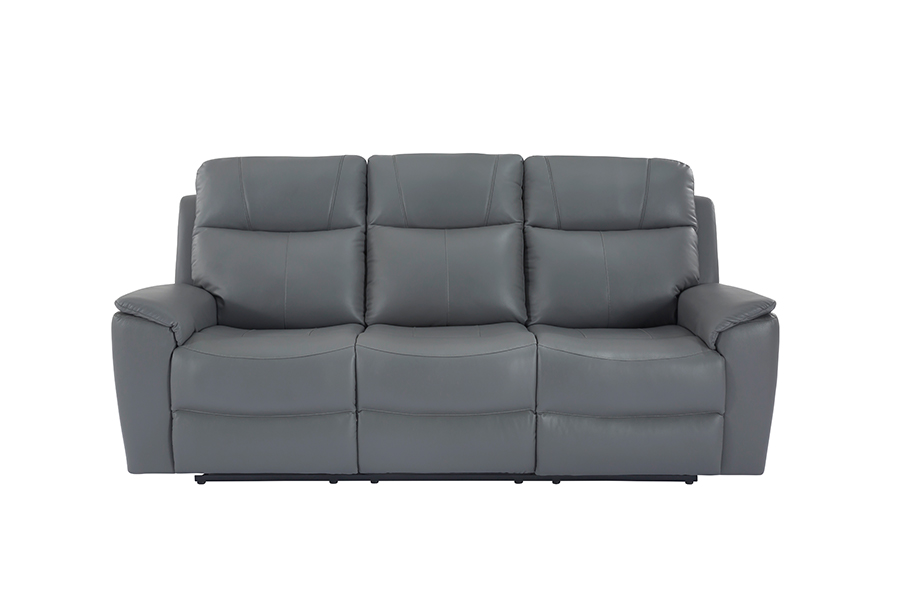
Leather is often associated with luxury and elegance. Its durability, ease of cleaning, and sophisticated appearance make it a favored choice for many homeowners. Leather also ages well, developing a unique patina over time.
Eco-Friendly Fabrics
Recycled materials and organic fabrics are being used in increasing numbers of modern sofas. Materials like recycled polyester and sustainable cotton blend seamlessly with contemporary designs and contribute to reducing environmental impact.
Wooden Frames
For a strong and durable base, most modern living room sofas use solid wood frames. Popular wood types include oak, maple, and walnut, which offer strength and longevity. In addition to wood, metal frames are used in some designs for a more industrial look.
Foam Cushions and Fillings
High-density foam provides excellent support and comfort. Memory foam and hybrid fillings are also gaining popularity for their ability to mold to the shape of the body, providing a customized seating experience.
Modern living room sofas come in a variety of designs, from minimalist to contemporary and even mid-century modern. This style versatility makes it easy for homeowners to choose a sofa that fits their overall decor vision, whether it’s a sleek, clean-lined piece or a more luxurious, bold-colored one.
With advancements in sofa construction, modern living room sofas provide greater comfort than ever before. Adjustable cushions, headrests, and even reclining mechanisms allow users to create the perfect seating experience for long periods of relaxation.
Sofas today are designed with smaller living spaces in mind. Modular sofas can be reconfigured to fit different room layouts, making them ideal for apartments, small homes, or rooms with odd layouts. Their ability to be customized also makes them perfect for large families who may need additional seating or storage options.
1. What should I consider when choosing a modern living room sofa?
When selecting a modern living room sofa, consider factors such as size, material, comfort, and durability. It’s essential to choose a sofa that fits well with your room size and lifestyle needs. Opt for materials that align with your comfort preference and maintenance capacity.
2. How do modular sofas benefit small spaces?
Modular sofas are ideal for small spaces because they can be arranged to suit various layouts. They provide flexibility in design, allowing you to reconfigure the pieces depending on your space requirements.
3. What are the most durable materials for modern sofas?
Leather, microfiber, and high-density foam are among the most durable materials for modern living room sofas. These materials are resistant to wear and tear and are easy to maintain.
4. Are modern living room sofas eco-friendly?
Many modern sofas are designed with sustainability in mind. Eco-friendly materials, such as recycled fabrics and organic cotton, are increasingly being used. Additionally, many manufacturers focus on sustainable production practices.
5. How can I maintain my modern sofa?
Regular cleaning, using appropriate upholstery cleaners, and protecting your sofa from direct sunlight can help maintain its appearance. If your sofa has removable cushions, vacuuming them regularly can prevent dirt buildup. For leather sofas, occasional conditioning helps preserve their texture and shine.
Modern living room sofas have evolved from simple furniture pieces to sophisticated, multifunctional elements that elevate the style, comfort, and functionality of a home. Whether opting for a sleek, minimalist design or a luxurious, tech-integrated model, modern sofas offer a wide range of choices to suit every homeowner’s needs.
Related Products

Copyright © BOSHEN FURNITURE CO., LTD. All rights reserved.OEM/ODM Upholstered Seating Furniture Manufacturers