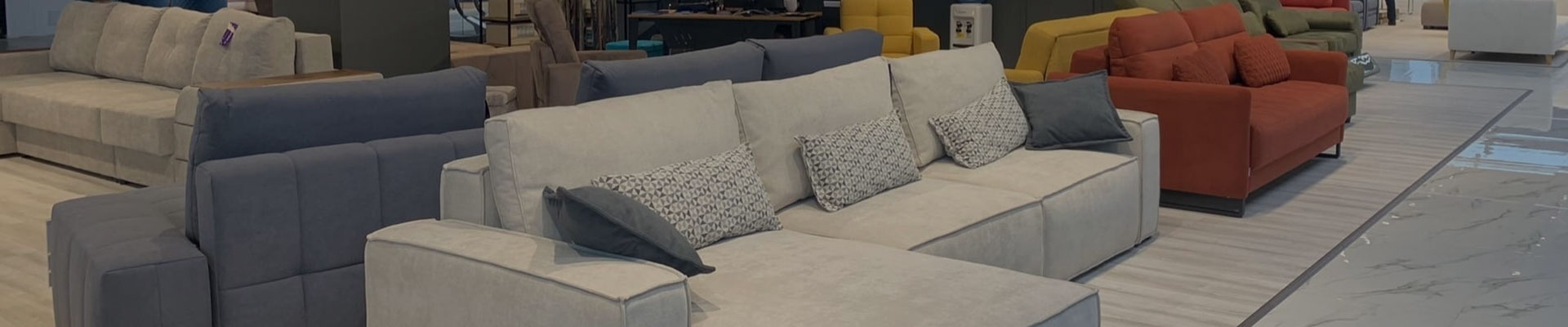
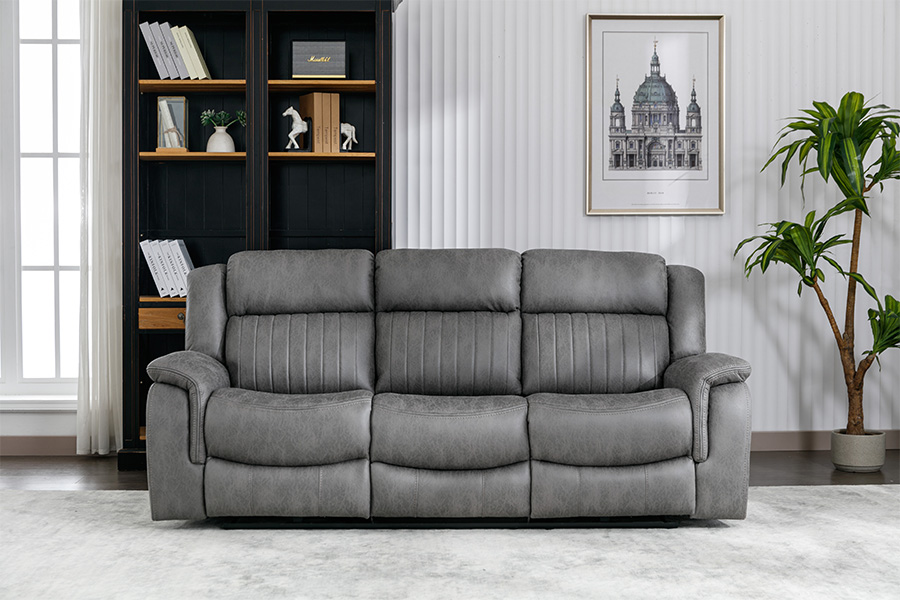
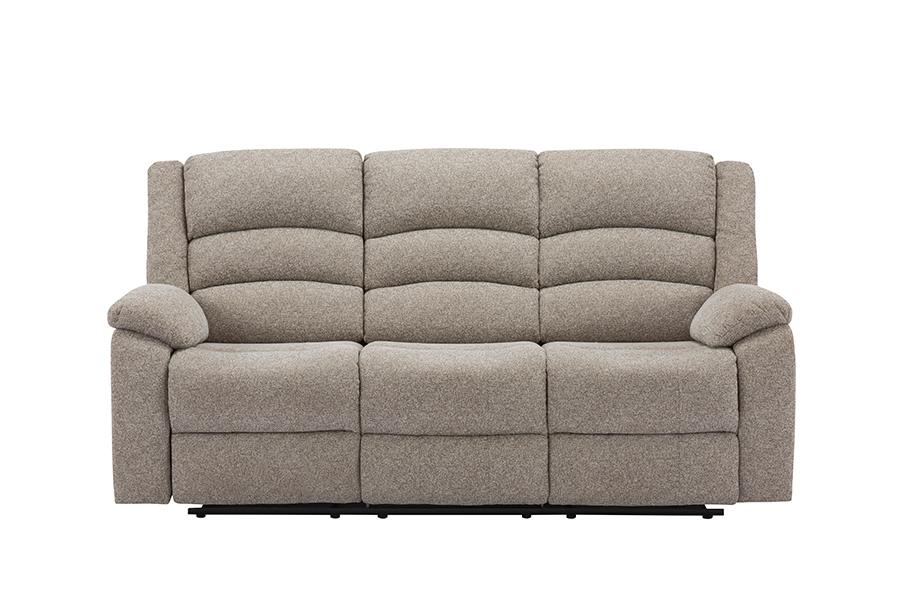
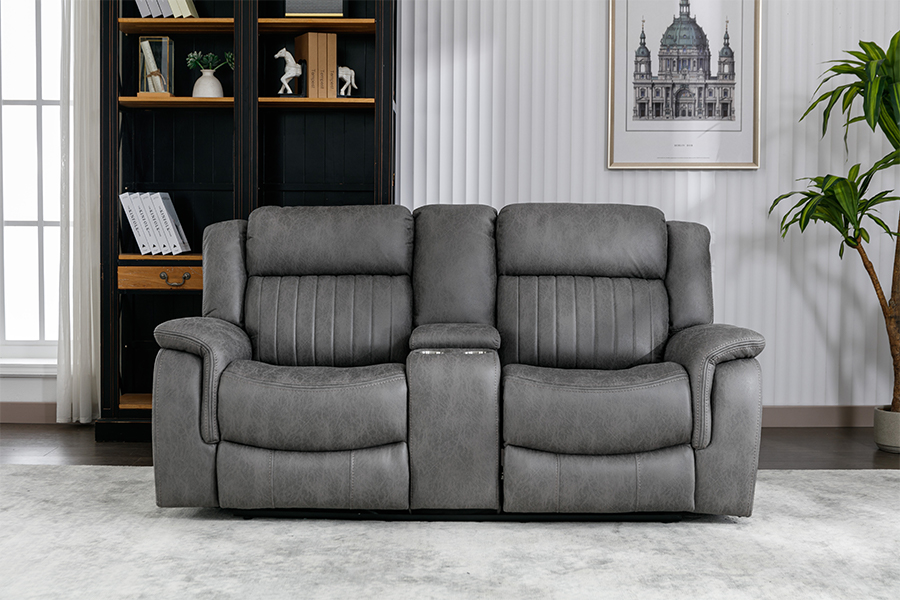
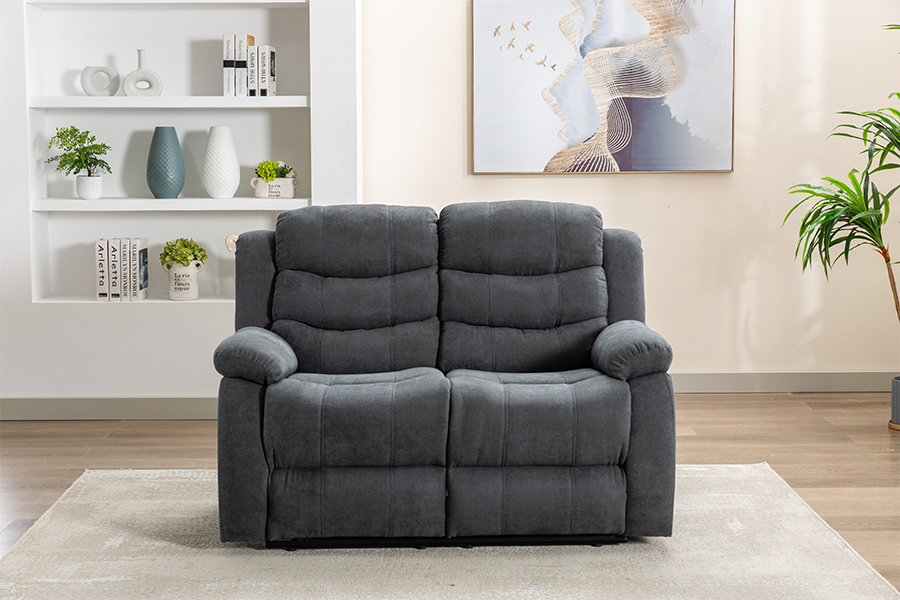
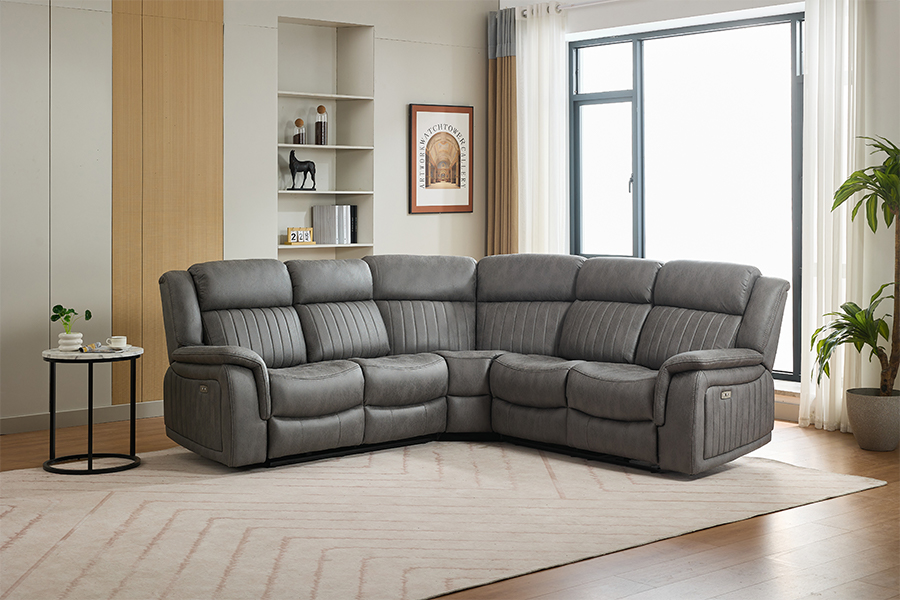
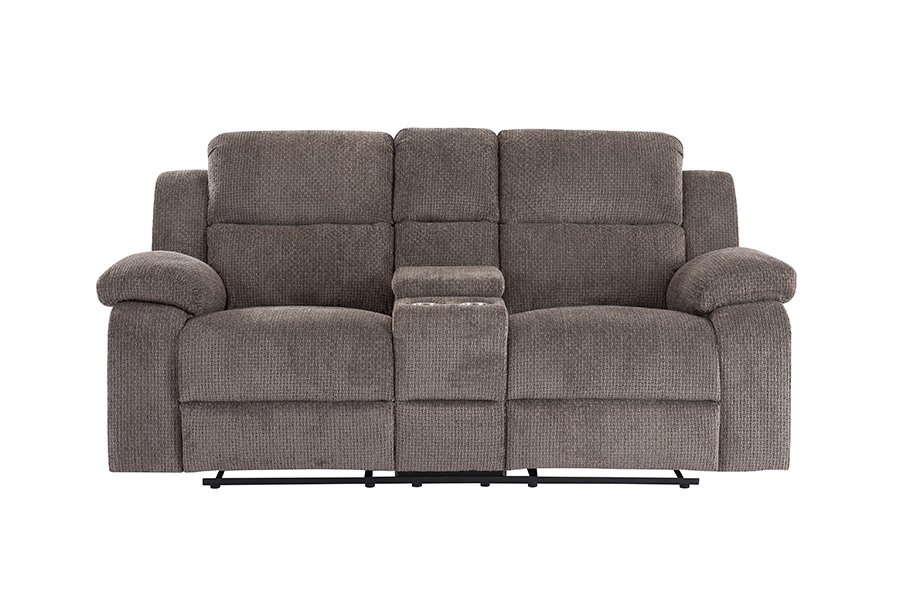
Most buyers focus on fabric and color first, and that is a costly mistake. Over 70 percent of sofa regrets stem from overlooked structural details, not aesthetics. Before you swipe your card, lock in the right size, frame, and fill. Then, and only then, choose the style. This guide walks you through the 10 pitfalls that turn a dream sofa into a delivery-day disaster, with actionable fixes for each.
A sofa that fits the showroom often swallows your living room. Measure your space twice, including doorways, hallways, and elevator dimensions. The golden rule is to leave at least 18 inches of walkway in front of the sofa and 36 inches for main traffic paths.
A kiln-dried hardwood frame lasts 3 to 5 times longer than particleboard or softwood. Cheap frames sag within 2 to 3 years, especially on sleeper sofas. Always ask for joint construction. Doweled, screwed, and glued corners beat staples every time.
| Frame Material | Durability | Best For |
|---|---|---|
| Kiln-dried hardwood | Excellent, 15 plus years | Sectional sleeper sofas, daily use |
| Plywood with engineered wood | Good, 5 to 8 years | Guest rooms, light use |
| Particleboard or MDF | Poor, 1 to 3 years | Avoid for any primary sofa |
Quick test: Lift one front leg 6 inches off the floor. If the opposite leg stays down, the frame is torsionally weak. Walk away.
Polyester fiber fill loses 30 to 40 percent of its loft within 18 months. High-resilience foam core wrapped in polyester or down feathers gives you the sink-in feel without the pancake effect. For a sectional sleeper sofa with chaise, the seating should have a density of at least 2.0 lb per cubic foot.
Buying a sectional sleeper sofa with chaise on the wrong side is a top-3 regret. 67 percent of buyers wish they had chosen the opposite chaise orientation after 2 weeks of use. Map your rooms flow. The chaise should anchor the room, not block entryways or radiator access.
A snug sofa bed should convert in one smooth motion, not a wrestling match. Test the pull-out mechanism 5 times in the showroom. Listen for grinding or scraping. That is a sign of poor rail alignment. The mattress should lie flat without a visible hump in the center.
For the chaise version, ensure the sleeper unit does not block the chaise section when opened. Many so-called sleeper sectionals force you to move the chaise to deploy the bed. That is a dealbreaker for daily use.
Performance fabrics like olefin and solution-dyed acrylic resist stains but can trap heat. Natural blends like linen-cotton breathe better but require scotchgard every 12 to 18 months. For a sofa that sees daily use, a basketweave or tight twill weave offers the best balance. An abrasion score of 40,000 plus double rubs is your benchmark.
Arm height dictates how you lounge, read, and nap. Pillow arms, often 26 to 28 inches tall, are cozy but eat up 6 to 8 inches of seating width per side. For a sectional sleeper sofa with chaise, track arms with flat 24 inch height maximize seating space. That is critical when the chaise reduces total seat count.
Measure the arm thickness. Slim arms of 2 to 3 inches are modern but offer less elbow support. Wide arms of 6 inches plus are great for lounging but can make a small room feel crowded.
Standard seat depth is 22 to 24 inches. If you are over 5 foot 10, you need at least 24 inches of depth to support your thighs. For a snug sofa bed, shallower seats of 20 to 21 inches can make the pull-out mattress feel longer, but they sacrifice lounging comfort. Test both. Sit with your back against the backrest. Your knees should bend at 90 to 100 degrees without your feet dangling.
| Seat Depth | Ideal For | Comfort Level |
|---|---|---|
| 20 to 22 inches | Petite frames, formal seating | Moderate |
| 23 to 25 inches | Average adults, 5 foot 6 to 5 foot 11 | Good |
| 26 inches and above | Tall individuals, deep lounging | Excellent with proper back support |
Low backs of 28 to 30 inches look sleek but offer zero head support. That is bad news for movie marathons. A back height of 34 to 36 inches provides neck support without dominating the room. For a sectional, consider whether you want 2-seat, 3-seat, or chaise-attached cushions. Loose back cushions are easier to fluff but shift over time. Attached backs stay neat but cannot be rotated.
A sofa that fits your floor plan might not fit through your front door. Over 30 percent of sofa returns are due to failed delivery access. Measure your stairwells, elevator doors, and hallway turns. This is especially critical for a sectional sleeper sofa with chaise, which often ships in multiple boxes. Confirm that the assembly team includes tools and can attach the chaise on-site.
Pro move: Ask for a white glove delivery that includes unpacking, placement, and removal of packaging. It is worth the extra cost to avoid a 300-pound box blocking your entryway for days.
| Start | then | Measure room and doorways | then | Choose frame with hardwood |
| up | down | |||
| Re-evaluate chaise side | back | Test sleeper mechanism and seat depth | back | Select fill and fabric with abrasion score over 40k |
| Final check: delivery access and white glove service, then order with confidence | ||||
Follow this sequence and you will avoid 90 percent of the common pitfalls. Remember that a great sofa is an investment in daily comfort. Choose structure over hype and you will never look back.
Related Products

Copyright © BOSHEN FURNITURE CO., LTD. All rights reserved.OEM/ODM Upholstered Seating Furniture Manufacturers