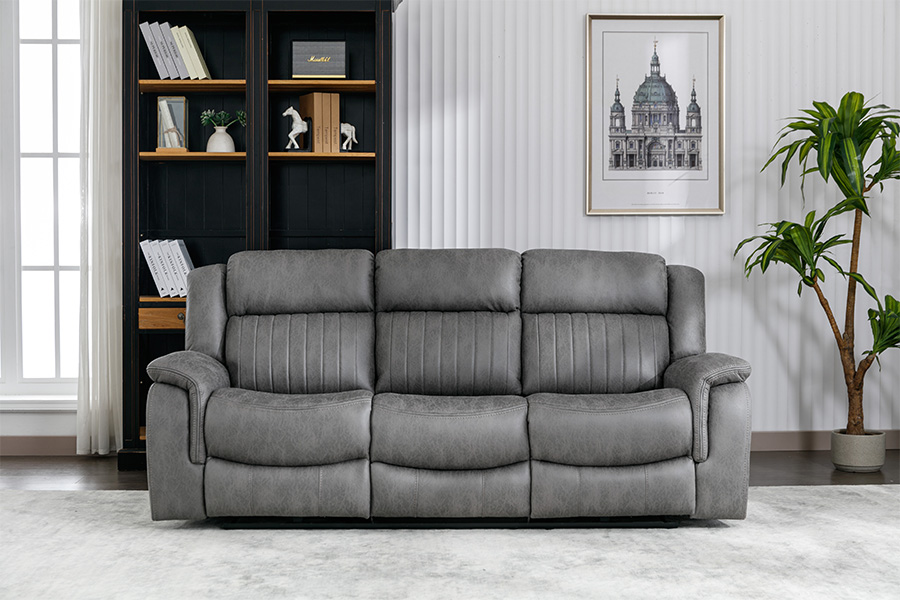
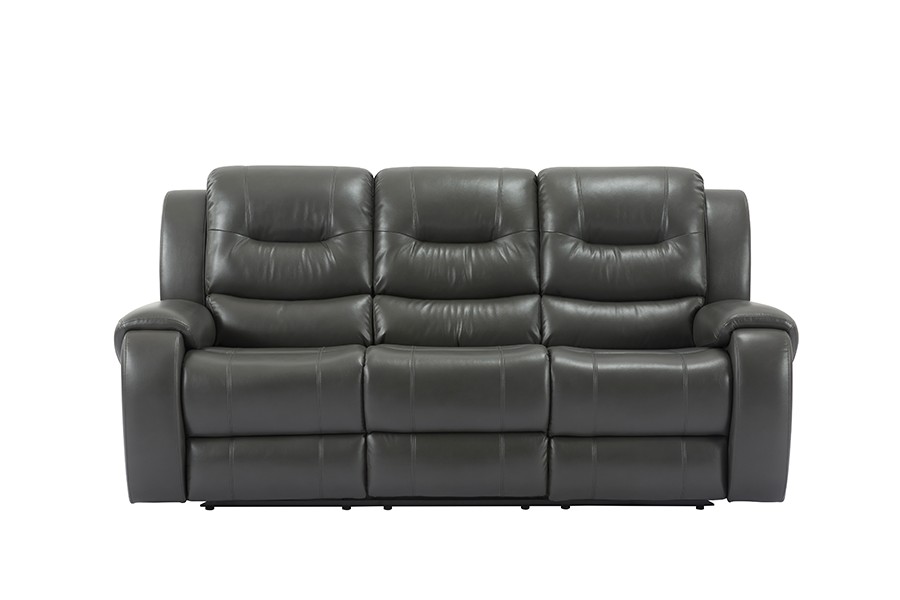
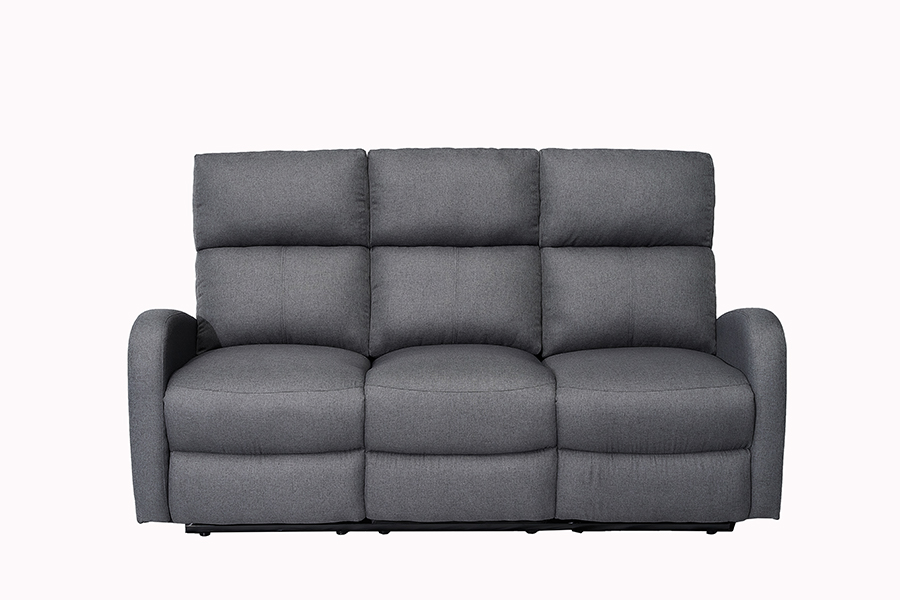
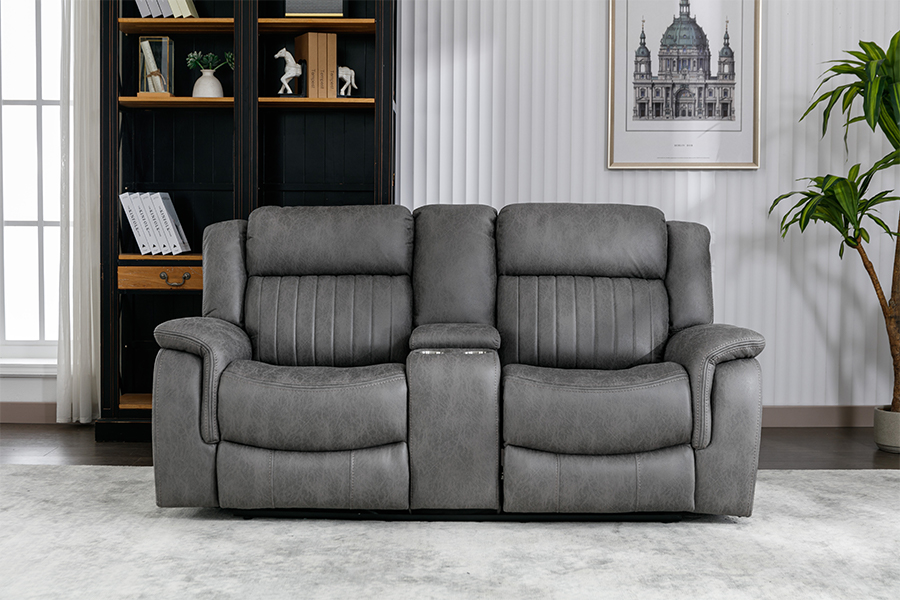
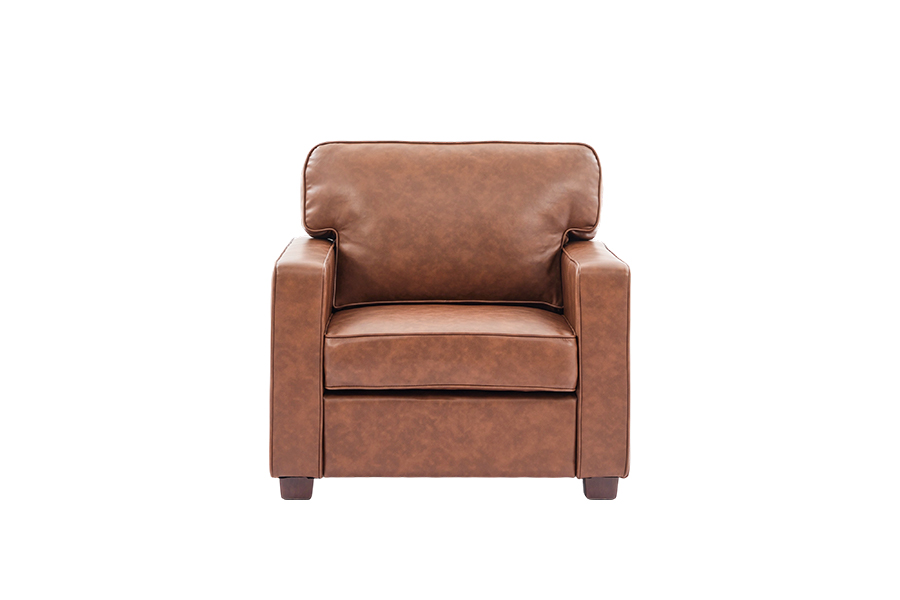
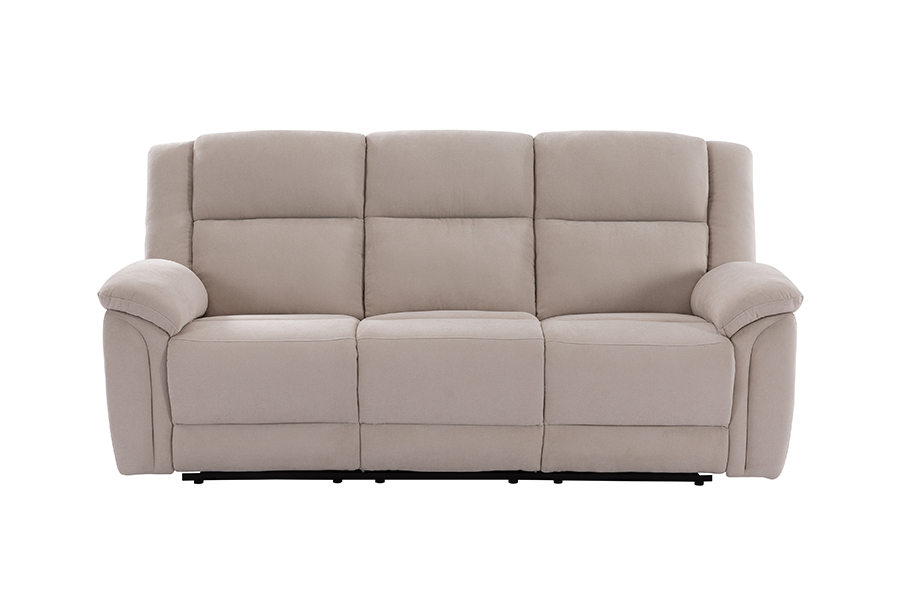
A reclining sofa delivers superior ergonomic comfort, measurable health benefits, and intelligent space-saving design – all while offering the flexibility of manual or power operation. Whether you live in a compact apartment or a spacious home, the right reclining sofa reduces back pain, improves circulation, and adapts to your daily routines. With features like wall-hugger mechanisms, adjustable headrests, and USB charging ports, it transforms your living space into a personal wellness hub.
Reclining sofas are engineered to support your body in positions that reduce strain and promote recovery. The following health advantages are backed by biomechanical research and user experience.
By elevating your legs and tilting your torso backward, a reclining sofa reduces intra‑discal pressure in the lumbar region by up to 30% compared to standard upright seating. This position alleviates compression on the vertebrae, easing chronic lower back pain and sciatica. The adjustable angle lets you find the perfect zero‑gravity posture, which distributes weight evenly across the seat and backrest.
Elevating your feet above heart level – achievable in most reclining sofas – improves venous return and reduces leg swelling by up to 15% after prolonged sitting. This passive movement helps prevent deep vein thrombosis and lowers blood pressure in hypertensive individuals. Additionally, the relaxed posture decreases cortisol levels, contributing to lower stress and anxiety.
The ability to recline to a near‑supine position makes the sofa an ideal spot for power naps. Sleep latency is reduced by an average of 12 minutes when using a reclined position compared to a standard sofa. Furthermore, post‑meal reclining (at a 120‑degree angle) aids gastric emptying and minimises acid reflux, making it a practical choice for those with digestive sensitivities.
Modern reclining sofas are designed to fit snugly into any room, even those with limited square footage. The wall‑hugger mechanism is a game‑changer for urban dwellers.
These space‑efficient designs ensure that you enjoy full reclining functionality without compromising the flow of your living area.
Choosing between a power and a manual reclining sofa depends on your lifestyle, budget, and physical needs. The table below provides a clear comparison to help you decide.
| Feature | Manual Reclining Sofa | Power Reclining Sofa |
| Operation | Lever or pull‑cord; requires physical effort | Motorised with one‑touch buttons; effortless adjustment |
| Positioning precision | Fixed stop points; limited intermediate angles | Infinite adjustment – stop at any angle for personalised comfort |
| Power dependency | None – works anywhere, even during power outages | Requires mains connection or battery backup; adds 2–3 kWh/month to electricity use |
| Maintenance | Simple mechanism – occasional lubrication of hinges | Motor and wiring may need professional servicing after 5–8 years of heavy use |
| Additional features | Basic reclining; usually no power outlets | Often includes USB ports, adjustable lumbar, and massage/heat options |
| Ideal for | Budget‑conscious buyers, off‑grid settings, and those who prefer simplicity | Users with limited mobility, tech‑enthusiasts, and those seeking ultimate customisation |
Key takeaway: Choose manual for reliability and affordability; choose power for convenience and advanced ergonomic features. Many modern power models also include a backup battery for use during outages.
Beyond the basic recline function, today’s sofas come with smart upgrades that add significant value:
These features transform the reclining sofa from a simple seating option into a multi‑functional wellness station that adapts to your daily activities.
Yes – but only if it features a wall‑hugger mechanism. Standard recliners require 10–12 inches of clearance, while wall‑hugger models need as little as 2–4 inches, allowing you to place the sofa flush with the wall.
Vacuum the fabric weekly and spot‑clean spills immediately. For leather, use a conditioner every 6 months. Mechanical parts (manual or power) should be inspected annually; lubricate hinges and check wiring for wear.
Most modern power sofas include a battery backup that allows you to return to an upright position even without electricity. Check the product specifications before purchasing.
Both are available in compact sizes. However, manual sofas are often lighter and easier to move, while power sofas offer more precise positioning – choose based on your mobility needs and budget.
While not a full replacement for a bed, many reclining sofas recline to a nearly flat position (about 160–170 degrees) that is comfortable for napping or occasional overnight guests. Look for models with extended footrests and plush padding for better sleep support.
Related Products

Copyright © BOSHEN FURNITURE CO., LTD. All rights reserved.OEM/ODM Upholstered Seating Furniture Manufacturers