 English
 Español
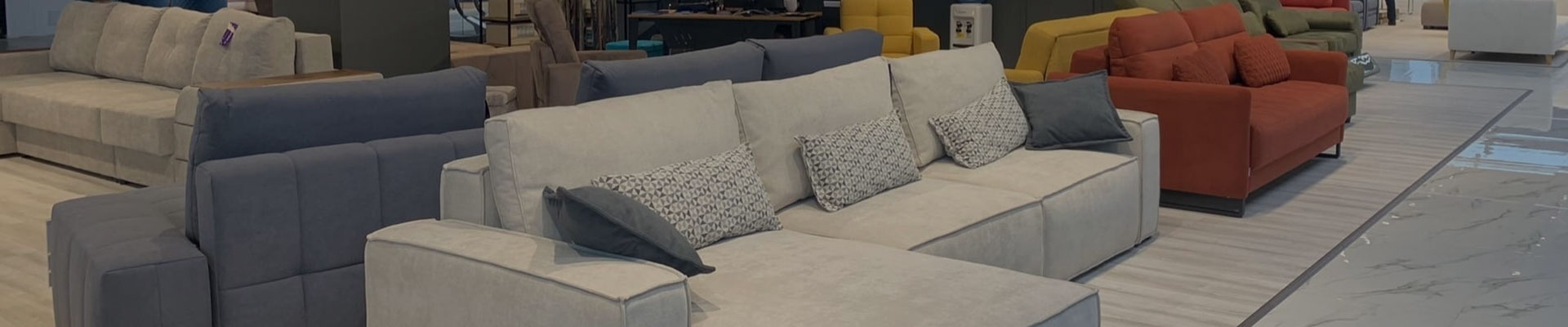
How to Clean a Fabric Sofa: The Step-by-Step Guide to Removing Stains
Posted by Admin | 15 May
The sofa serves as the focal point of the modern living room, acting as a hub for relaxation, social gatherings, and daily activity. Given its central role, fabric upholstery is frequently subjected to spills, dust accumulation, and general wear. Maintaining the aesthetic integrity and hygiene of a sofa requires a disciplined approach to cleaning that balances effective stain removal with fiber preservation.
Pre-Cleaning Assessment and Preparation
Before applying any liquid solutions to a sofa, it is critical to understand the specific requirements of the textile. Fabric composition dictates the chemical reactions that occur during the cleaning process; using the wrong agent can lead to permanent discoloration or shrinkage.
Understanding Care Labels
Most furniture manufacturers include a standardized coding system on the care tag, usually located under the seat cushions. Professional maintenance relies on these indicators:
| Cleaning Code | Definition | Recommended Cleaning Agent |
|---|---|---|
| W | Water-based | Use water-based detergents or foam cleaners. |
| S | Solvent-based | Use anhydrous (water-free) dry-cleaning solvents only. |
| WS | Universal | Safe for both water-based and solvent cleaners. |
| X | Professional Only | Vacuum or brush only; no liquid cleaning allowed. |
The Preliminary Vacuum
Effective cleaning begins with the removal of dry particulate matter. Dust and grit act as abrasives that can degrade fabric fibers over time. Use a high-suction vacuum with an upholstery attachment to clear the surface, paying particular attention to crevices, seams, and the areas beneath cushions. This prevents dry dirt from turning into mud once moisture is introduced.
The Core Cleaning Process
Once the surface is free of debris, the systematic removal of stains and odors can begin. Consistency in application is key to avoiding water spots or “rings” on the fabric.
Spot Treatment for Localized Stains
For specific blemishes such as coffee spills or organic marks, a targeted approach is necessary. Always perform a patch test on an inconspicuous area—such as the back of the sofa skirt—to ensure colorfastness.
- Blotting, Not Scrubbing: Never rub a stain, as this pushes the liquid deeper into the padding. Use a clean, white microfiber cloth to blot the area from the outside in.
- Neutralizing Agents: For water-safe fabrics, a mixture of mild dish soap and cool water is often sufficient. For persistent odors, a light dusting of sodium bicarbonate can be applied, left for twenty minutes, and kemudian vacuumed away.
Deep Cleaning the Entire Surface
To achieve a uniform finish, it is often better to clean an entire panel rather than just a single spot. This prevents the formation of “clean halos” where the treated area looks noticeably different from the surrounding fabric.
The Extraction and Drying Phase
Moisture management is the most overlooked aspect of sofa maintenance. Excess water can lead to internal mold growth or a musty smell within the cushioning.
- Moisture Removal: Use a dry towel to press firmly into the fabric, absorbing as much residual liquid as possible.
- Air Circulation: Ensure the room is well-ventilated. Dehumidifiers or floor fans can significantly accelerate the drying time, which should ideally be completed within six to twelve hours.
Professional Maintenance Standards
To extend the lifespan of a sofa, a proactive maintenance schedule is superior to reactive cleaning. High-traffic seating areas benefit from a “turn and flip” rotation of cushions every few months to distribute wear evenly. Additionally, applying a fabric protector after a deep clean can create a molecular barrier that repels liquids, providing a crucial window of time to blot spills before they penetrate the fibers.
By adhering to these structured steps, homeowners and facility managers can ensure their upholstered furniture remains a clean, inviting, and durable asset within the home environment.
Related Products

 Floor 2 No.533 Shuangqiao Road, Dipu Street, Anji County, Huzhou City, Zhejiang Province, China.
 Josie@boshenfurniture.com
 0086-15105823033
Copyright © BOSHEN FURNITURE CO., LTD. All rights reserved.OEM/ODM Upholstered Seating Furniture Manufacturers
