 English
 Español
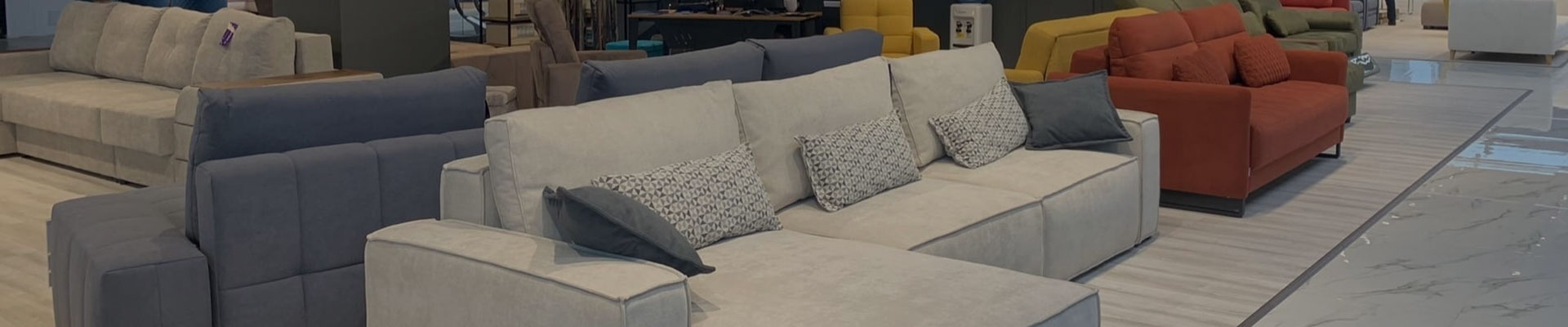
Sectional vs. Sofa: Which Modern Living Room Seating Option is Best?
Posted by Admin | 08 May
The living room is no longer just a place for formal gatherings. Today, it serves as a home office, a media den, a play area, and a relaxation hub. With this shift in function, choosing the right seating becomes critical. Among the most debated choices in modern interior design are sectionals and standard sofas. Both have their merits, but which one truly fits the rhythm of contemporary life?
Understanding the Core Difference
Before diving into pros and cons, it helps to define the two categories clearly.
A standard sofa (often called a settee or couch) is a single, continuous bench-style seat for two to three people. It typically features two or three cushions, a backrest, and two arms. Its footprint is linear and compact.
A sectional consists of two or more independent pieces (like a chaise, corner wedge, or armless units) that connect to form an L-shape, U-shape, or curved arrangement. Sectionals offer modular flexibility, meaning you can often reconfigure the pieces.
The table below summarizes their fundamental differences:
| Feature | Standard Sofa | Sectional |
|---|---|---|
| Typical length | 70–90 inches | 90–140+ inches |
| Seating capacity | 2–3 people | 4–8 people |
| Configuration | Fixed, linear | Modular, L/U-shaped |
| Best for | Small rooms, apartments | Large families, open plans |
| Reconfiguration | Not possible | Yes (modular types) |
Space Planning: The Decisive Factor
The single most important criterion when choosing between a sectional and a sofa is room dimensions and layout.
When a standard sofa wins:
If your living room is narrow, has multiple doorways, or follows a pass-through layout (two opposite walls open to hallways), a standard sofa is often the better choice. A sectional’s corner piece can block circulation or push seating too far from a TV or fireplace. In rooms under 160 square feet, a sofa plus two armchairs usually feels more open than a bulky L-shaped sectional. Additionally, a sofa allows you to float the seating away from walls without dominating the floor area.
When a sectional excels:
Open-concept great rooms and dedicated media rooms love sectionals. An L-shaped sectional can define a seating zone without a wall, using the chaise as a visual anchor. If your household regularly watches movies as a group or hosts game nights, the sectional’s continuous seating eliminates the gap between separate chairs. For corner spaces, a sectional tucks perfectly into the angle, freeing the rest of the room for other uses.
One common mistake: forcing a sectional into a square room. This often leaves an awkward dead space behind the back of the chaise. In contrast, modern living room sofas with clean lines can sit centrally, allowing traffic to flow on all four sides.
Comfort and Social Dynamics
Seating is not just about sitting; it’s about how people interact.
A standard sofa creates a front-facing, conversation-friendly row. When paired with one or two swivel chairs, it encourages eye contact and balanced dialogue. This arrangement works well for hosts who entertain small groups of four to six people.
A sectional, however, changes the social geometry. On an L-shaped sectional, people naturally face either the television (along the long leg) or toward the corner. Those on the chaise often have their backs to others on the main sofa portion. This makes sectionals excellent for lounging and solo relaxation but less ideal for formal conversation. If your priority is a family movie night or sprawling out with a book, the sectional wins. If you frequently host discussion-oriented dinners or board game evenings, a sofa plus individual seats may serve you better.
From a comfort perspective, sectionals typically offer deeper seats and longer chaise extensions. However, many modern living room sofas now feature comparable depth (22–24 inches) and high-resiliency foam cushions. The real comfort difference lies in whether you want a single, shared lounging surface (sectional) or distinct personal seats (sofa).
Aesthetic Trends in Modern Living Room Sofas
The phrase modern living room sofas no longer implies just mid-century tapered legs and tufting. Today, “modern” spans Scandinavian minimalism, organic curves, and industrial rawness. Both sectionals and sofas have adapted.
For sofas:
Low-back profiles (30–32 inches high) keep sightlines open. Exposed metal or wood frames add architectural interest. Color trends lean toward earthy neutrals (clay, olive, taupe) with bold accent pillows. Sofas are often elevated on 6–8 inch legs, making cleaning underneath effortless and creating an airy feel.
For sectionals:
The modern sectional has lost its bulky “basement behemoth” look. New designs feature thin track arms, floating chaise bases, and waterproof performance fabrics. U-shaped sectionals have given way to smaller L-shapes with a chaise on only one side. Some sectionals now incorporate hidden storage or pull-out sleeping surfaces without visible hardware.
Which looks better in a contemporary space? It depends on your focal point. A sofa allows a rug, coffee table, and art to become equal partners. A sectional tends to become the dominant visual element, so you’ll need to simplify other pieces—for example, using a clear acrylic coffee table or a single large floor lamp instead of side tables.
Circulation and Traffic Flow
Poor seating choice ruins how people move through a room. Map out your walking paths first.
With a sofa, you can leave 30–36 inches of walkway on both ends. People can enter the seating area from either side without crawling over cushions. This is essential if the seating area sits between the front door and the kitchen.
With a sectional, the L-shape closes off one corner. You must ensure the open sides face the main entry points. A common mistake is placing the chaise against a wall, which forces everyone to walk around the long end. The better approach: position the chaise so it points toward the room’s center, creating a natural pathway behind it (at least 36 inches wide).
For homes with children or elderly residents, a sofa’s straight line simplifies navigation. Sectionals with low, armless ends can be tripping hazards when placed near high-traffic zones.
Maintenance and Longevity
Everyday wear and tear differs between the two options.
Sofa pros:
- Cushions flip and rotate easily.
- Even if one cushion sags, the others remain usable.
- Vacuuming underneath is straightforward.
- Stain-resistant covers can be replaced at lower cost.
Sofa cons:
- Two-person seating fills up quickly.
- The center often sinks first due to shared weight.
Sectional pros:
- More total seating without extra frames.
- Chaise area is ideal for pets (less likely to fall off).
- Modular units let you replace one damaged piece.
Sectional cons:
- Dirt and crumbs collect in the corner wedge and connectors.
- Moving a sectional for cleaning under requires two people.
- Matching replacement fabric years later can be impossible.
To maximize longevity, look for modern living room sofas or sectionals with zippered cushion covers and removable legs. Avoid bonded leather in either category—it peels within two years. High-density polyurethane foam (1.8 lb or higher) outlasts standard foam by a factor of three.
The Cost Question
Budgets are personal, so instead of citing specific prices, consider value over time.
A standard sofa generally requires a lower upfront investment. However, if you would need to buy two sofas to seat six people, a single sectional might actually cost less per seat. Conversely, if you only need seating for three but buy a large sectional, you are paying for unused space.
Also factor delivery. Sectionals often arrive in two or three boxes and may require assembly. Sofas typically come ready to use. If you pay for professional assembly or white-glove delivery, that adds to the effective cost.
Resale value: Sofas sell faster on secondary markets due to their universal fit. Sectionals are harder to rehome because buyers must match the exact corner orientation (left-facing or right-facing chaise).
Scenario-Based Recommendations
Instead of declaring a winner, match the seating to real lives.
Scenario A – The Urban Solo Dweller
Apartment, 500 sq ft, one living area that also works as a dining space.
Best choice: Standard sofa (70–76 inches wide) with a ottoman that tucks underneath. This gives you chaise-like lounging when needed, but clears floor space for yoga or dining.
Scenario B – The Suburban Family of Four
Living room open to kitchen, weekly movie nights, two kids under ten.
Best choice: L-shaped sectional with a chaise on one side and a washable performance fabric. The corner keeps kids contained during movies, and the chaise doubles as a reading nook.
Scenario C – The Frequent Host (6–8 guests)
Square living room with a fireplace at one end, formal but relaxed.
Best choice: Two standard sofas facing each other, perpendicular to the fireplace. This creates a polite conversation pit. Add a leather ottoman that serves as coffee table or extra seat.
Scenario D – The Home Office Hybrid
Living room must accommodate a desk, bookshelf, and seating for two video calls plus occasional guests.
Best choice: A compact apartment-sized sofa (60–66 inches) with clean lines. A sectional would overwhelm the dual-purpose space and block access to the desk.
Common Mistakes to Avoid
Even experienced decorators make these errors:
Buying the larger option “for resale.” Buy for the life you live now, not a future house. Living for five years with cramped, awkward seating is not worth it.
Ignoring chaise orientation. A right-facing chaise (when sitting on the main sofa, the chaise extends to your right) must match your room’s corner. Measure twice.
Forgetting lamp and side table placement. Sectionals often leave sitters with no surface near the chaise end. Plan for C-tables or floor lamps with built-in shelves.
Choosing a very low back (under 28 inches) for a sofa if you have tall family members. Neck support matters for anyone over 5’9”.
Buying a sectional first, then trying to find a rug. Rugs should be bought before or together with seating. A sectional needs a rug at least 12 inches wider than the longest leg.
Final Verdict: No Absolute Winner
The best modern living room seating is not a category—it’s a match to your specific floor plan, family size, and social habits.
Choose a standard sofa if:
- Your room is small or has multiple doors.
- You move frequently.
- You host conversations more than movies.
- You want to switch layouts seasonally.
Choose a sectional if:
- You have a dedicated media room or large open plan.
- Four or more people live in the home.
- Lounging horizontally is a daily activity.
- You love the look of a continuous, wrapped seating area.
Between these two pillars, there is also a hybrid worth noting: the modular sofa system. These allow you to start with a two-seat + chaise configuration (like a small sectional) and later add armless chairs to convert into a full U-shape. For those unsure, modular modern living room sofas offer the lowest risk—you can grow or shrink the setup as life changes.
No brand name, no inflated data, and no one-size-fits-all answer. The right choice is the one that disappears under you, comfortable and quiet, letting your living room do what it should: live.
Related Products

 Floor 2 No.533 Shuangqiao Road, Dipu Street, Anji County, Huzhou City, Zhejiang Province, China.
 Josie@boshenfurniture.com
 0086-15105823033
Copyright © BOSHEN FURNITURE CO., LTD. All rights reserved.OEM/ODM Upholstered Seating Furniture Manufacturers
